Broken Truss Repair in Wilmington, NC
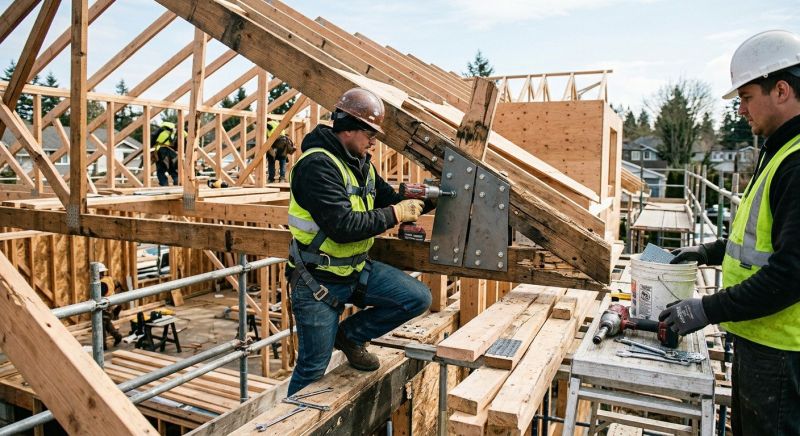
Broken truss repair services address issues with roof trusses that have become damaged, compromised, or weakened over time due to factors such as age, weather exposure, or structural stress. These repairs typically involve assessing the extent of the damage, reinforcing or replacing affected trusses, and ensuring the overall stability of the roof structure. Projects can range from repairing a single truss in an attic to more extensive work on multiple trusses in larger buildings, helping to restore safety and prevent further structural problems.
Property owners interested in broken truss repair often want to understand the signs of damage, such as sagging ceilings, unusual creaking sounds, or visible cracks in the walls or roof. It’s also helpful to know what types of materials are involved and whether the repair will require partial or full replacement of the trusses. Clarifying these details can assist homeowners in making informed decisions about restoring the integrity of their roof and avoiding costly future repairs.
Many property owners in Wilmington, NC look into Broken Truss Repair for repairs, replacements, upgrades, and appearance-related improvements.
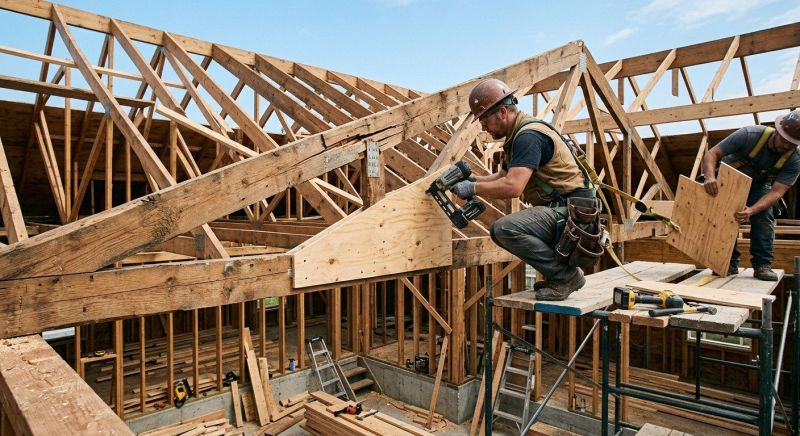
Signs Of A Broken Truss
Visible sagging, cracks, or warping can indicate truss damage that needs attention.
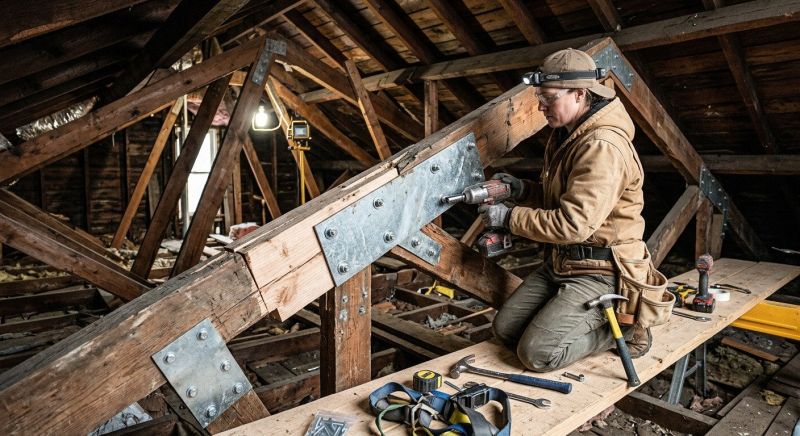
Common Causes Of Truss Damage
Heavy storms, moisture, and age can weaken trusses and compromise roof stability.
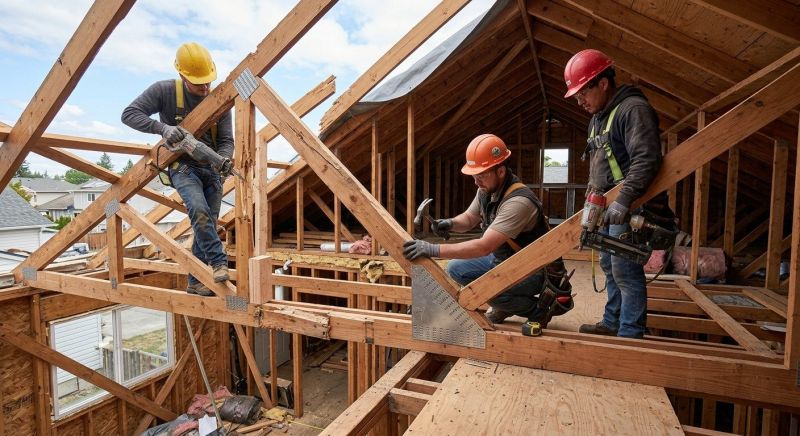
Repair And Reinforcement Options
Restoring broken trusses often involves replacement or reinforcement to ensure structural safety.
Broken Truss Repair in Wilmington, NC
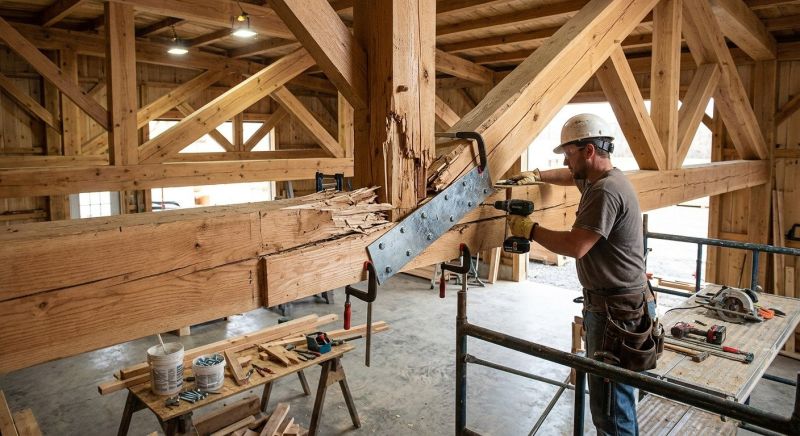
Broken truss repair services address issues with roof trusses that have become damaged, compromised, or weakened over time due to factors such as age, weather exposure, or structural stress. These repairs typically involve assessing the extent of the damage, reinforcing or replacing affected trusses, and ensuring the overall stability of the roof structure. Projects can range from repairing a single truss in an attic to more extensive work on multiple trusses in larger buildings, helping to restore safety and prevent further structural problems.
Property owners interested in broken truss repair often want to understand the signs of damage, such as sagging ceilings, unusual creaking sounds, or visible cracks in the walls or roof. It’s also helpful to know what types of materials are involved and whether the repair will require partial or full replacement of the trusses. Clarifying these details can assist homeowners in making informed decisions about restoring the integrity of their roof and avoiding costly future repairs.
Many property owners in Wilmington, NC look into Broken Truss Repair for repairs, replacements, upgrades, and appearance-related improvements.
Common Broken Truss Repair Jobs
Broken Truss Repair - addresses damaged roof trusses to restore structural stability.
Emergency Truss Repair - provides quick fixes for urgent roof support issues.
Partial Truss Replacement - replaces specific sections of damaged trusses to maintain roof integrity.
Full Truss Replacement - involves removing and installing entire trusses for severe damage.
Truss Reinforcement - adds support to existing trusses to prevent future issues.
Roof Support Inspection - assesses truss condition to identify potential weaknesses or damage.
Broken Truss Repair Questions
What causes a truss to break? Trusses can break due to age, structural stress, or damage from severe weather conditions common in Wilmington, NC.
How can I tell if my truss is broken? Signs include sagging ceilings, uneven floors, or visible cracks in the walls near the attic or roof area.
Is broken truss repair necessary? Yes, repairing or replacing damaged trusses is important to maintain the safety and stability of the roof structure.
What types of projects typically involve broken truss repair? Common projects include roof repairs after storms, remodeling, or addressing structural concerns identified during inspections.
Request Broken Truss Repair in Wilmington, NC
Use the quote form on this page to share the basics of your project and request more information for the type of work you need.